

Handwoven linen dishcloths are an eco-friendly and stylish choice for your kitchen.
Linen is a natural material that combines functionality, aesthetics and environmental friendliness.
Why do I weave dishcloths from linen?
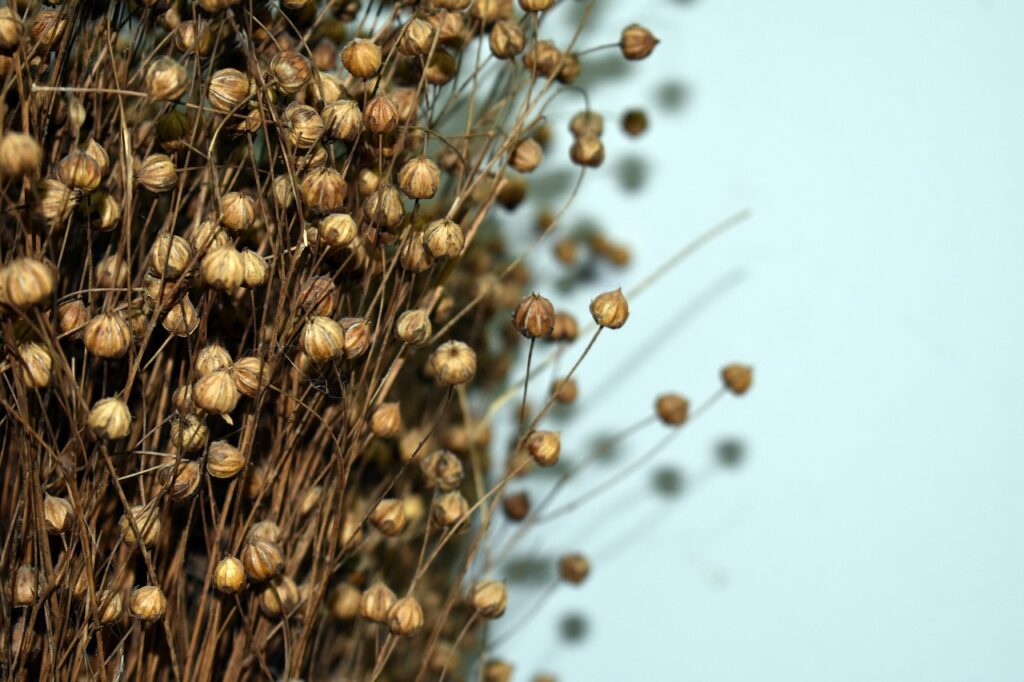
Flax is one of the most sustainable textile fibers on the market. It requires less water and pesticides to grow compared to cotton, and the entire plant can be used for textiles, minimizing waste. At the same time, flax is incredibly durable and has unique properties that make it particularly suitable for dishcloths.
The antibacterial properties of flax
The fibers extracted from flax contain natural substances – lignans, which inhibits bacterial growth.
Lignans are the flax plant's natural defense mechanism. They help the plant resist harmful microorganisms such as bacteria, fungi and viruses. This gives flax its antibacterial and antifungal properties, which are especially useful when the material is used in textiles such as dishcloths.
Benefits of the antibacterial properties of the accessory:
- Reduces bad odor: Bacteria are often the cause of the unpleasant odor that can occur in dishcloths, but linen effectively counteracts this.
- Healthier environment at home: By using linen dishcloths, you reduce the risk of bacteria spreading from the cloth to other surfaces.
- Less washing: Since linen naturally inhibits bacterial growth, the cloths can be used longer between washes without compromising hygiene.
These properties make linen ideal for textiles to be used in the kitchen, where we want to keep bacteria levels down.

Aesthetics and use
Linen dishcloths are not only practical – they are also beautiful. With their natural texture and colors, they fit into both minimalist and classic kitchens. I weave my dishcloths in an open structure, which makes them easy to wring.
I also think the dishcloths are so beautiful that they are perfect as a functional gift.
How to wash your handwoven linen dishcloths
To get the most out of your handwoven linen dishcloths, you should:
- Wash the cloths at 40-60 degrees without fabric softener.
- Let them air dry – this is best for the environment and your dishcloth, but the dishcloths can also be tumble dried if you wish.
Make a difference
You contribute to the environment and ensure a cleaner everyday life in your kitchen when you choose a linen dishcloth.
And it's great to be able to make a sensible choice that is also functional and aesthetically beautiful.