New tea towels
That new tea towel you just bought in one of the best stores in town just doesn't absorb properly. But maybe you can fix it.
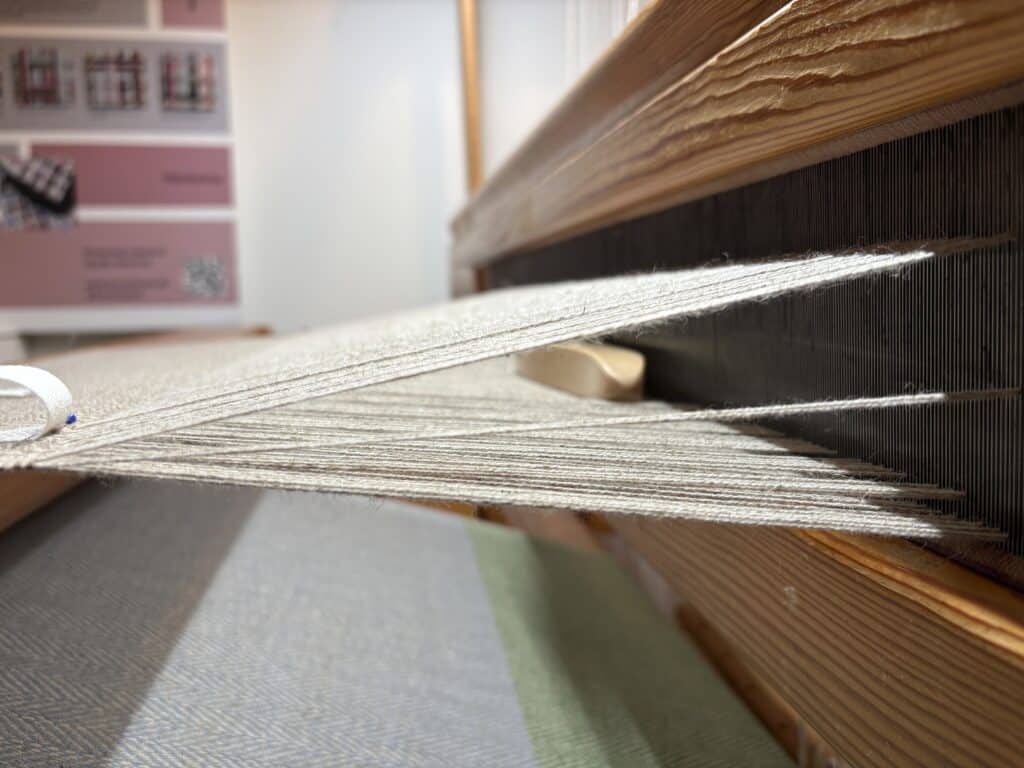
I weave my tea towels in linen and cotton, and that makes them not only beautiful, but also effective at both absorbing and drying quickly.
Here you will find my best advice on how to make your tea towels absorbent from day one.
Why do tea towels absorb so poorly?
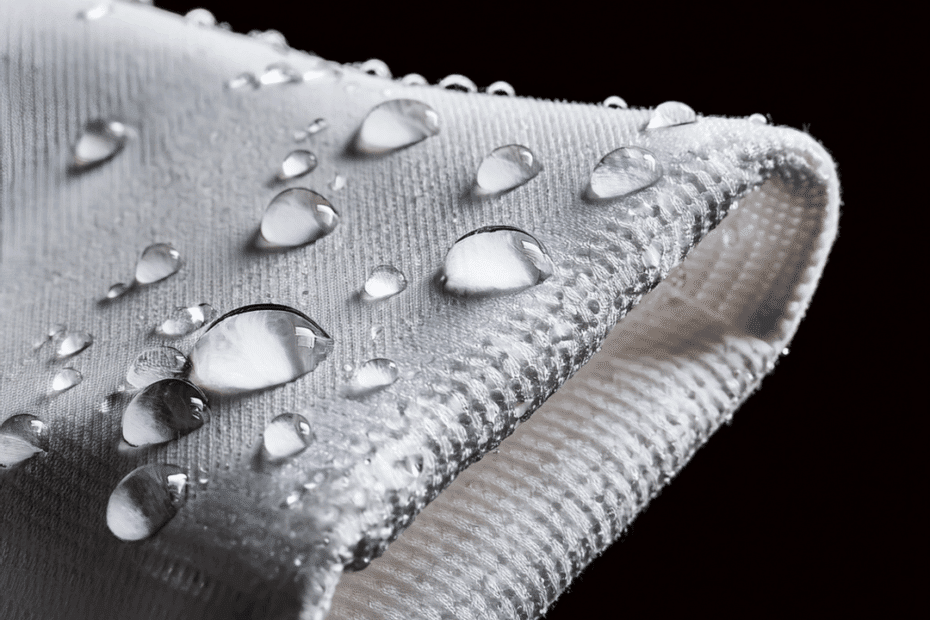
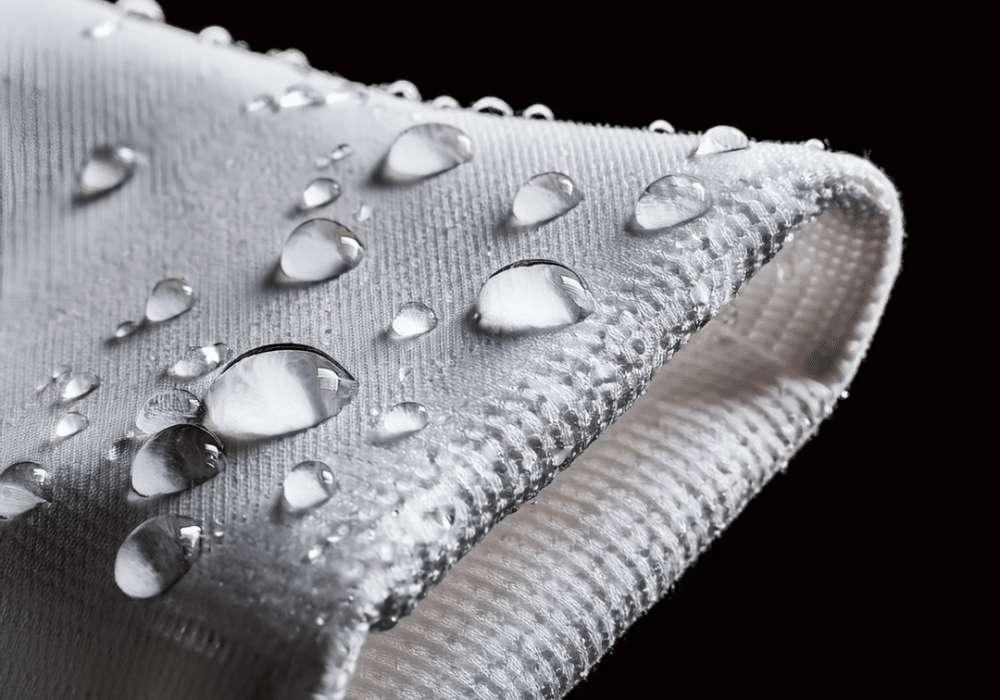
Your new tea towel – beautiful in color and perfect for your kitchen – but when you use it, it seems like the water is just being distributed instead of being absorbed. It almost seems like the fabric is water-repellent. It’s not, but almost.
Many modern tea towels are made from cotton that is so smooth and tightly woven that it has no absorbency. Sometimes the yarn is even mercerized, which means it is treated with chemicals to give it a beautiful shine – but it also removes all the little bumps in the fibers that would otherwise trap water.
Tea towels that work
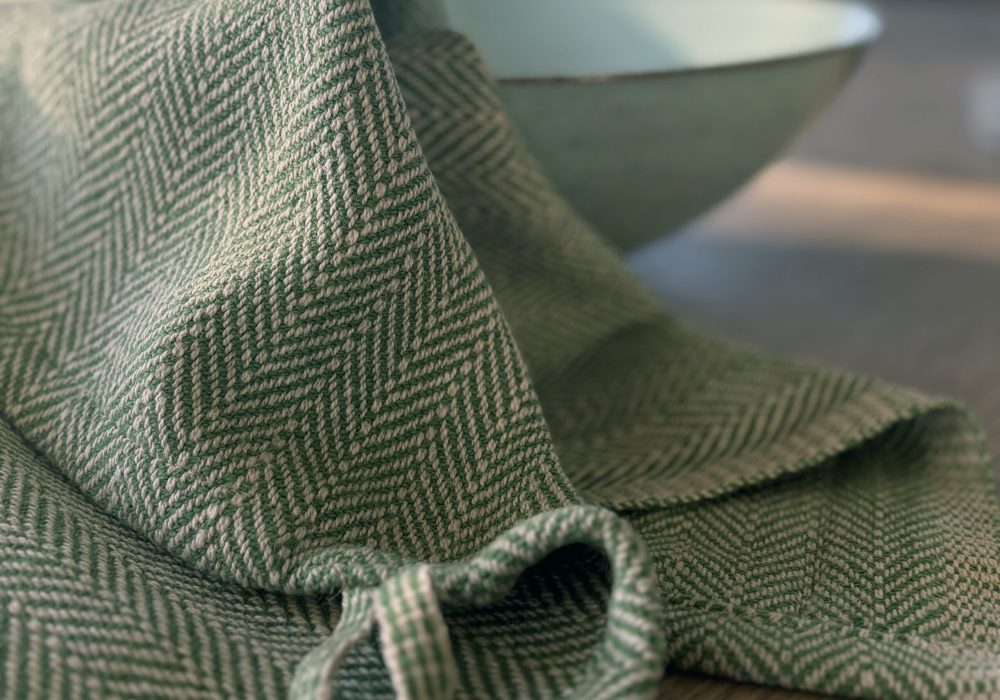
I weave my tea towels in linen and cotton – and there are several good reasons for that.
Linen absorbs wonderfully. It has a natural roughness and open fibers that help absorb, and it only gets better with use. For the same reason, it dries the dishcloth quickly. Cotton is soft and durable, and in the right weave and density, it absorbs without any problems. When I combine the two materials in my dishcloths, and weave them in an open structure, the result is dishcloths that are actually really good. They absorb and they dry.
I always soak my tea towels for 12 hours, wash them at 60 degrees and tumble dry them before I hand them over to the customer. That way I'm sure they're nice and absorbent, so they're ready to use when the customer receives them. And yes, you can tumble dry the tea towels, but if you hang them on the clothesline, they'll last longer. And it's also better for the environment.
How to bring your tea towels to life
Back to your new tea towels. If you can get some with linen in them, buy them, and otherwise always buy pure cotton.
I would recommend that you soak them in cold water overnight or for 12 hours. Your tea towel is now completely saturated with water and you have given the fibers in your tea towel the best opportunity to open up completely.
I recommend that you wash them at 40–60 degrees with a little detergent, but without fabric softener. Fabric softener forms a film on the fibers and makes them less susceptible to water. And that's not what we're after.
You can dry them in the dryer the first time – it makes them extra soft – but otherwise the clothesline is a great solution. Linen benefits from a little movement so it doesn't become stiff. The more you use your tea towel, the better it will be.
The above can also be used for your towels when you use them. Try it, it's never too late, and then buy better quality next time.